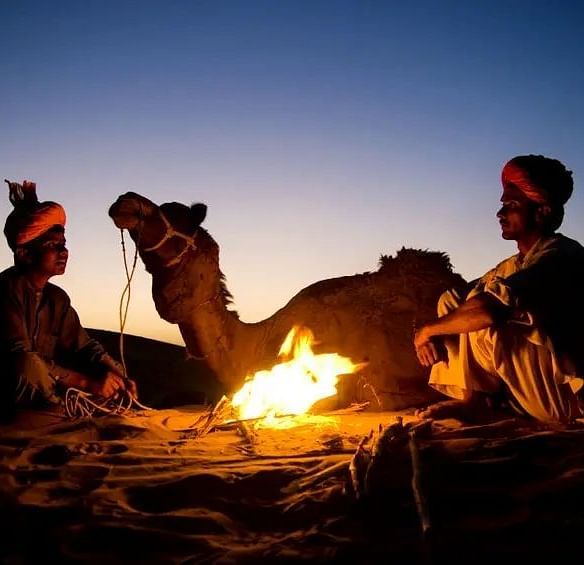
As night falls, a communal fire pit blazes, surrounded by comfortable seating, inviting guests to enjoy the warmth and camaraderie - MANVAR Resort & Desert Camp

The Manvār Impact


Moti Singh's Family belong to the Devraj Rathore Clan. The Rathores have been Known For generations As Guardians Of The Land And People. Moti Singh Envisioned Manvār As A Showcase For The Region, Promoting Cultural Preservation And Economic Upliftment.
The Thar Desert, Renowned For Its Ecological Richness And Diversity, Is Facing Ecological Damage Due To Increased Access To Underground Water.
Manvār Reserve

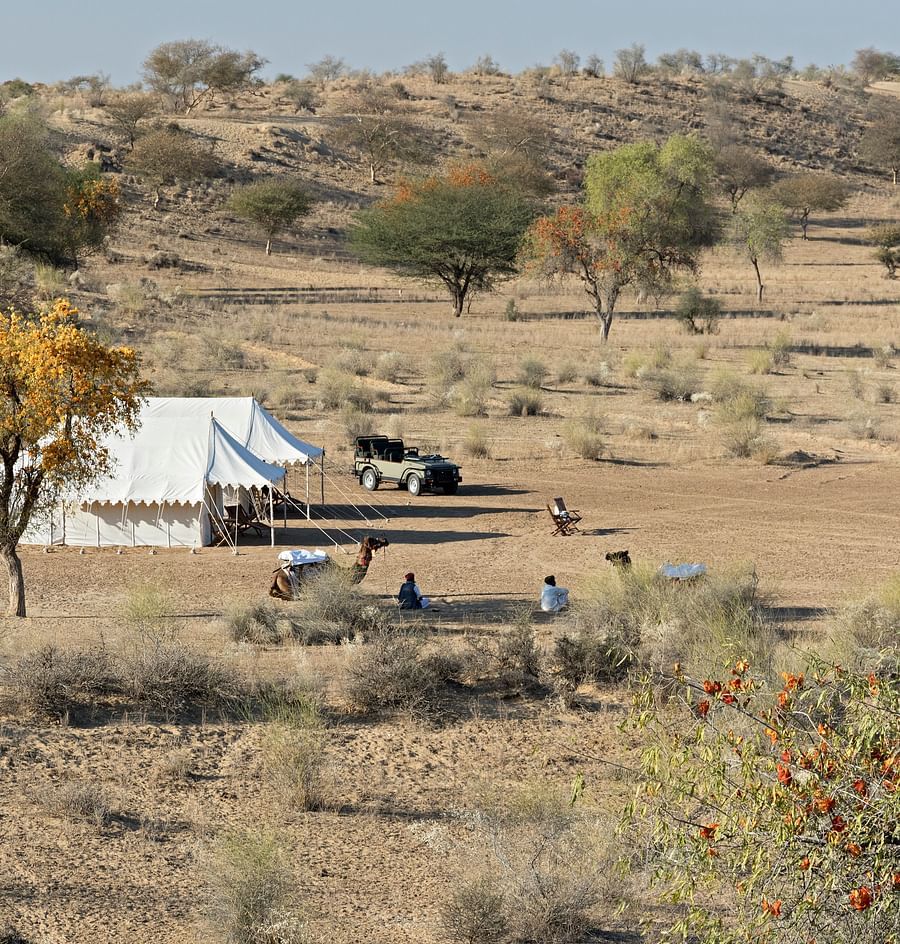
The campsite is seen from a higher altitude, showing the isolated and tranquil setting among the gentle desert terrain - MANVAR Resort & Desert Camp

Manvār aims to restore agricultural land for organic farming while nurturing a desert shrub forest that supports unique flora and fauna. More than 700 acres held as a conservancy are dedicated to preserving the delicate Thar Desert ecosystem. With its highly specialised plant and animal species, this landscape reflects a natural balance that can be disrupted by the spread of non-native species. Manvār Desert Reserve is committed to conserving indigenous species and protecting the intricate relationships that sustain this distinctive desert environment.

An Oasis-Like Sanctuary in Rajasthan Desert 

Deserts have always held a fascination, not unlike the ocean for humans

A sea of sand, the desert have motivated explorers and adventurers alike to voyage on the ever-changing dune-scapes. The fascination the Thar holds is unparalleled. Gateway to the Indian Silk Road, to the story called India, the Thar is also the most diverse and rich desert ecosystem in the world. This diversity also manifests itself in the richness of the traditional knowledge system of ancient communities here.

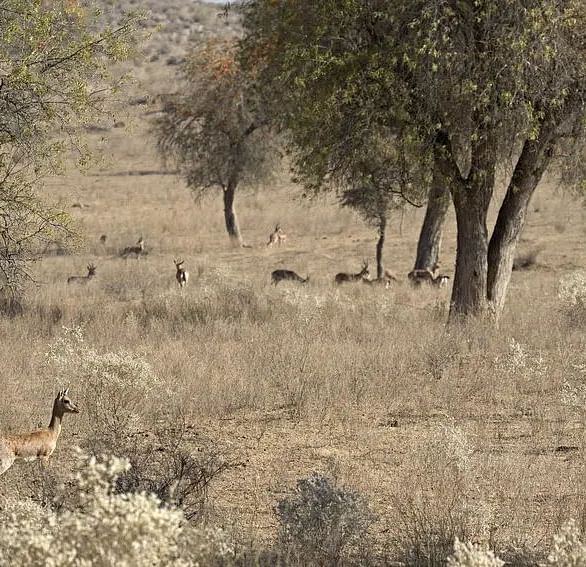
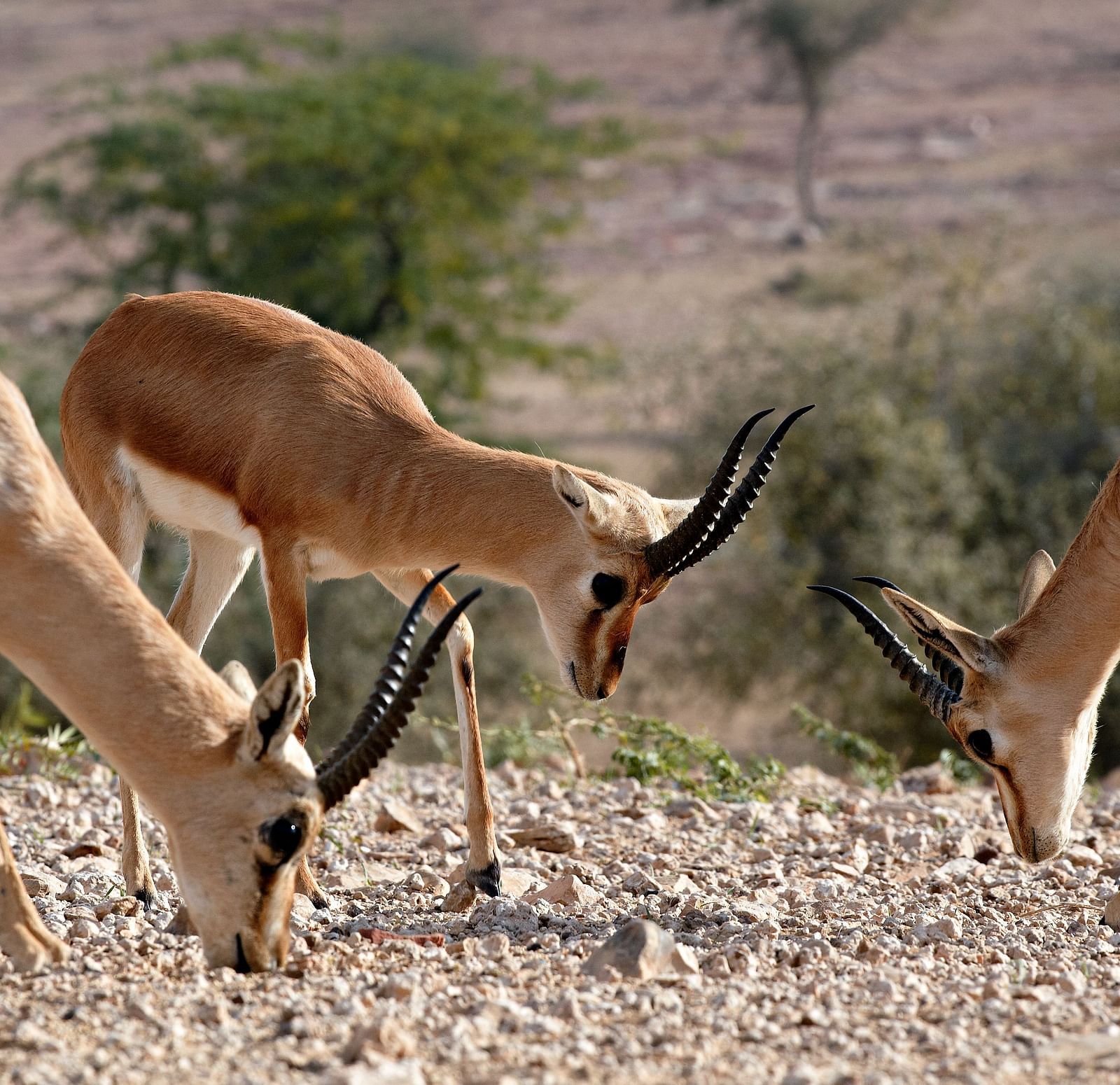
Indian Gazelles grazing in the desert
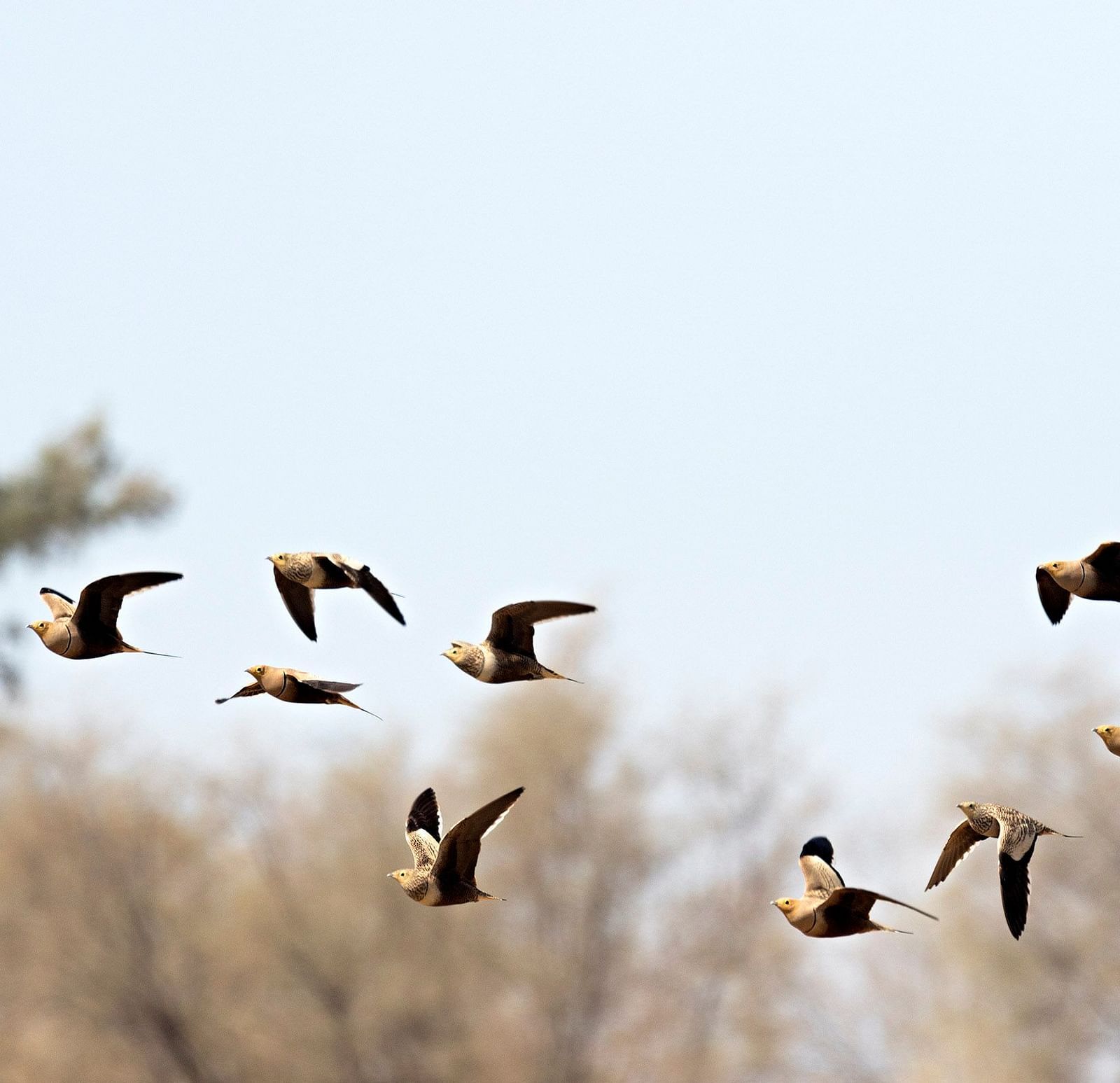
A flock of birds flying through the desert

A Sanctuary...

The desert fringes afford an oasis-like sanctuary for birds, with avifauna, indigenous and migratory flock to these safe havens undisturbed by human activities. Harriers to falcons, buzzards, kestrels and vultures, sand grouse and peacocks, not to mention the famed Demoiselle cranes and their feeding grounds at Khichan are sought after by birders from around the globe.

A Safe Haven

The vegetation of this region is unique with trees and shrubs such as Khejri, the lifeline of the desert, Kumatiya, Rohida (desert teak), Kair, Ber, Googal, Phog, Sevan, Dhaman, Kheemp, Thhor cactus, Aak among others providing sustenance and shade to humans and animals alike. Invading species have caused unimaginable and irreversible damage to these indigenous species elsewhere. Manvār Desert Reserve is set up with the express intent of creating a safe haven for the indigenous species to proliferate.

An image of a open area with sparse trees and greenery
An image shot during dusk where two men are sitting near a bonfire and a camel is resting in the background

For the Love of Life!

Inspiration for conservation has been taken from Bishnoi, probably the first community of people anywhere to have built an identity on the principles of conservation of wildlife are legendary for their love of all life. Settled around in the deserts of the ancient cities of Jaisalmer, Jodhpur and Bikaner, the Bishnois live by a set of twenty-nine commandments which implore them to love all living beings as an extension of their self. A manifestation of this is seen in the daily ritual of feeding the Chinkaras at the Bishnoi Temple of Lohawat, a 45-minute drive from Manvār.

Continue your booking